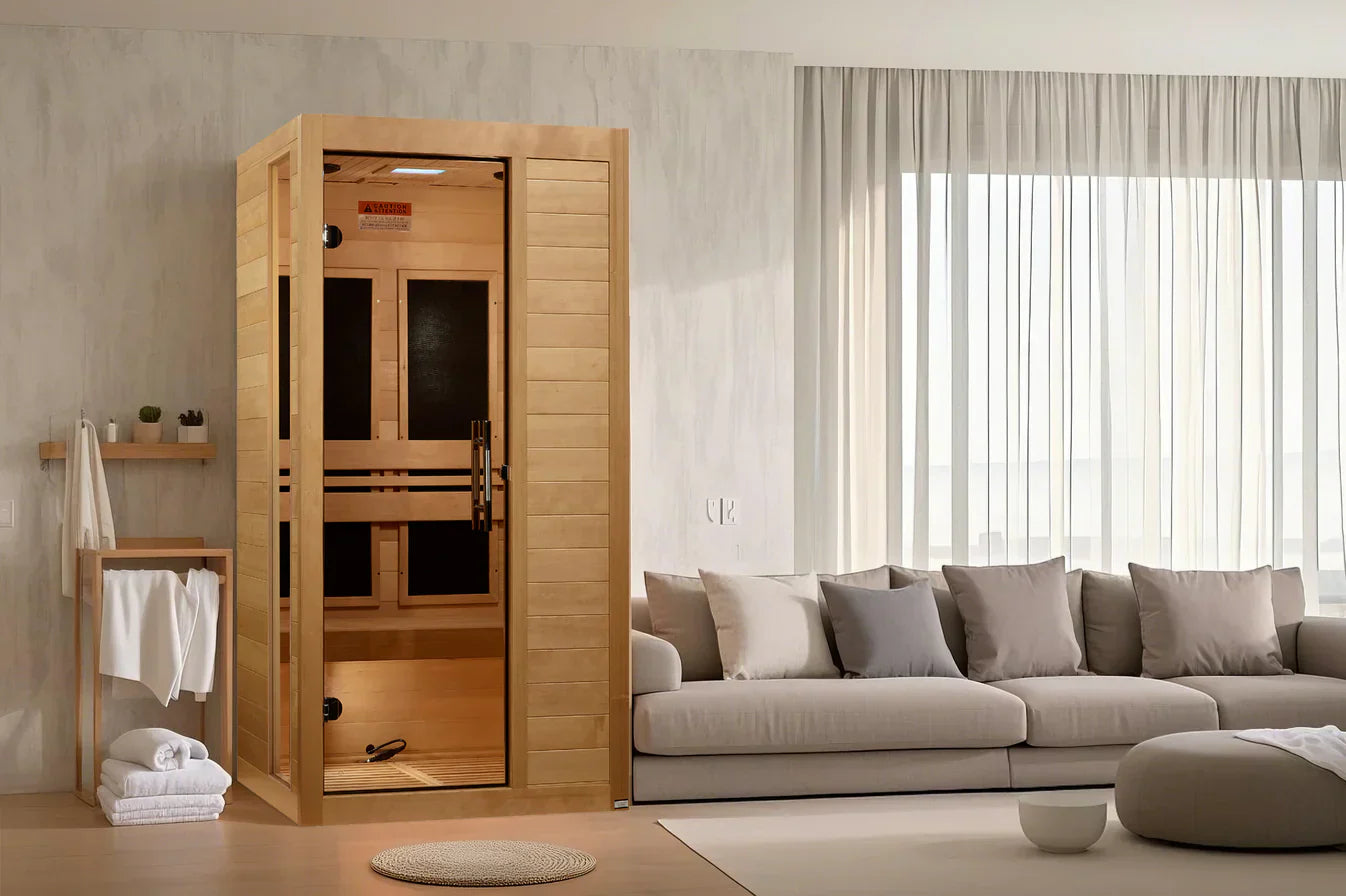

2 Person Infrared Sauna Buying Guide: Top Models, Benefits, and Setup Tips
If you want shared sauna time at home without the size and heat of a traditional cabin, a 2-person infrared sauna gives you efficient, lower-temperature sessions that warm your body directly and fit into tighter spaces. A compact infrared model delivers full-body heat, lower operating costs, and easier installation than many traditional saunas, making it the most practical choice for couples or small wellness spaces.
You’ll find options that emphasize low EMF levels, fast preheat, and different heater types, so this article will walk you through health benefits, how to pick the right model, installation and maintenance needs, safety tips, and real-user feedback to help you choose confidently. Explore the trade-offs between infrared and other sauna types, compare popular brands and accessories, and learn what matters most for costs and upkeep so you get the best fit for your space and lifestyle.
What Is a 2 Person Infrared Sauna?
A 2 person infrared sauna is a compact home sauna designed to fit two adults side-by-side while delivering targeted infrared heat. It prioritizes space efficiency, lower operating temperatures, and easier installation compared with traditional steam saunas.
Key Features
You’ll find these features on most 2 person infrared saunas:
- Size and layout: Typically 4–6 square feet of interior floor space with bench seating for two adults; external footprint often fits in a 4' x 4' to 5' x 5' area.
- Heater configuration: Multiple infrared panels—near, mid, and far—placed on walls and under the bench to provide even coverage.
- Materials and build: Common woods include Western Red Cedar, Hemlock, or Aspen; look for tongue-and-groove joints and tempered-glass doors for durability and insulation.
- Electrical options: Models run on 120V (simpler plug-in setup) or 240V (higher output, requires hardwiring).
- Controls and extras: Digital controls for temperature and timer, interior lighting, Bluetooth or sound systems, and low-EMF or carbon/ceramic heater options.
- Safety and warranty: UL/ETL listings and manufacturer warranties vary—verify heater type and EMF specs if that matters to you.
How Infrared Technology Works
Infrared saunas heat your body directly rather than raising room air temperature.
Heaters emit infrared wavelengths that penetrate skin and subcutaneous tissue, producing warmth at lower ambient temperatures (usually 110–150°F).
Two common heater types exist: carbon panels (broader surface, gentler heat) and ceramic or carbon-ceramic elements (more intense, quicker rise in heat).
Panels arranged around the seating area create consistent heating zones; far-infrared targets deeper tissue, near- and mid-infrared focus more on surface warming.
You control session intensity with the thermostat and timer.
Because the cabin stays cooler than a traditional sauna, you can often stay longer while using less electricity, but performance depends on insulation, heater wattage, and whether you use 120V or 240V power.
Health Benefits of 2 Person Infrared Saunas
You can expect targeted improvements in toxin elimination, blood flow, and stress physiology from regular infrared sessions. These effects stem from deep tissue heating at lower air temperatures than traditional saunas, allowing longer, more comfortable sessions.
Detoxification
Infrared wavelengths penetrate skin and underlying tissue, raising core and skin temperature to stimulate sweat production. Sweat removes water-soluble toxins like heavy metals and certain organic compounds; you’ll typically sweat at lower ambient temperatures (around 120–150°F), which many people find more tolerable than traditional saunas.
Use sessions of 20–40 minutes two to three times per week to support consistent elimination. Keep hydration and electrolyte replacement in mind: drink water before and after, and consider a beverage with sodium and potassium if you sweat heavily. If you have kidney disease or are pregnant, consult a clinician before using an infrared sauna.
Improved Circulation
Infrared heat causes local vasodilation and increases heart rate modestly, producing effects similar to light aerobic activity. You’ll notice warmer extremities and reduced muscle stiffness after sessions because blood flow to muscles and skin increases, delivering oxygen and nutrients while removing metabolic waste.
Regular use can support recovery from mild exercise-related soreness and improve peripheral circulation in people with cold hands or feet. If you have cardiovascular disease, uncontrolled hypertension, or implanted medical devices, check with your doctor to confirm safety and appropriate session duration.
Stress Reduction
Infrared sessions activate the parasympathetic nervous system when you relax inside the cabin, lowering cortisol and subjective stress for many users. You’ll benefit from a quieter environment, gentle heat, and optional elements like chromotherapy or calming audio to enhance relaxation.
Integrate sauna time into a nightly routine to promote deeper sleep and faster wind-down. For best results, combine sessions with breathwork or meditation and avoid alcohol before use. If you have anxiety disorders or take psychoactive medications, discuss sauna use with your healthcare provider.
How to Choose the Best 2 Person Infrared Sauna
Focus on build quality, heater type and placement, and user controls that let you set temperature, session length, and safety limits. Prioritize durable wood, low-EMF full-spectrum or carbon heaters, and an intuitive control panel with presets and remote/app options.
Selecting Quality Materials
Choose kiln-dried, aromatic-free wood like Canadian hemlock, cedar, or eucalyptus to resist warping and minimize off-gassing. Inspect joints and door seals; tight tongue-and-groove construction and magnetic or high-quality gasket seals prevent heat loss and improve efficiency.
Look for furniture-grade benches and rounded edges to avoid splinters and increase comfort. Verify FDA- or UL-listed components and a solid warranty (at least 1–3 years), which indicates manufacturer confidence in materials and assembly.
Check interior finishes for non-toxic stains or no finish at all. Exterior panels should be stable against humidity; pallets or adjustable feet help if your floor isn’t perfectly level.
Evaluating Heating Elements
Decide between carbon-fiber panels and ceramic or full-spectrum heaters based on your goals. Carbon panels offer even, lower-surface heat and often lower EMF readings, while ceramic and full-spectrum units provide higher radiant intensity and faster skin heating.
Inspect heater placement: panels on the back, sides, and floor give balanced coverage and reduce hot/cold spots. Confirm total wattage and the sauna’s ability to reach and maintain desired temps (typically 110–150°F for infrared). Higher wattage usually means faster warm-up and more consistent output for two occupants.
Ask for EMF and safety test results. Look for overheat protection, separate circuit requirements (120V vs 240V), and manufacturer guidance on session length and recommended temperature ranges.
Control Panel Features
Pick a control system that matches how you plan to use the sauna: simple analog timers suit occasional users, while digital panels with presets, temperature increments, and Bluetooth/remote access benefit frequent users. Ensure the panel is readable from inside the sauna and can be locked to prevent accidental changes.
Key features to prioritize: timer up to 60 minutes or more, precise temperature control in 1–5°F steps, programmable presets, and an interior/exterior control option. If you want music or voice control, check for integrated speakers, USB/Bluetooth inputs, and app compatibility.
Confirm warranty and service access for electronics, and verify that replacement parts (control modules, sensors) are available locally or through the manufacturer to avoid long downtime.
Installation and Space Requirements
Place the sauna where you can meet electrical and ventilation needs, allow for the door swing, and leave clearances for maintenance access. Plan floor space, ceiling height, and nearby surfaces to handle heat and moisture safely.
Room Placement Tips
Choose a flat, level floor that can support the sauna’s weight and foot traffic. Concrete, tile, or sealed wood floors work best; avoid carpets and unsealed plywood.
Measure a 4′ x 4′ footprint as a common minimum for two-person models, but verify the specific cabin dimensions and add 12–24 inches for door swing and access.
Keep the sauna at least 2–3 inches from combustible walls unless the manufacturer allows closer placement and provides heat shields.
Provide 6–12 inches of rear and side clearance for electrical routing and airflow when specified.
If installing indoors, place the sauna near an exterior wall or room with good ventilation to prevent moisture buildup in adjoining spaces.
Allow 18–36 inches of clear space in front of the door for safe entry and exit.
Electrical Considerations
Confirm whether your model requires 120V or 240V service; many two-person infrared saunas run on 120V, but some higher-output units need 240V.
Have a licensed electrician inspect your panel to ensure proper breaker capacity and dedicated circuit installation.
Use stranded, heat-rated wire and a GFCI-protected circuit where local code requires it.
Follow the manufacturer’s specs for wire gauge and breaker size—commonly 15–20A for 120V units and 20–30A for 240V units.
Place the control panel and junction box outside the sauna or in a manufacturer-approved location inside to avoid direct exposure to heat and humidity.
Document the electrical layout and keep a copy with your home records for future maintenance or resale.
Maintenance and Cleaning
Keep a towel on the bench and under your feet during every session to catch sweat and oils. Wiping down surfaces after each use prevents buildup and reduces the need for deep cleaning.
Use a soft, damp cloth and mild, non-abrasive cleanser for wood and interior panels. Avoid harsh chemicals, excessive water, and abrasive scrubbing that can damage wood, heaters, or electronics.
Vacuum or sweep the floor regularly to remove dirt and skin debris. If your sauna has removable cushions or mats, wash them according to the manufacturer’s instructions.
Deep clean monthly or as needed: lightly sand any stained wood spots, then wipe with a damp cloth and let fully dry. Check heater elements and electrical connections for dust and loose fittings while the unit is off and cool.
Disinfect high-touch surfaces occasionally with a diluted, sauna-safe solution. Test any cleaner on a small, hidden area first to confirm compatibility with your wood finish.
Maintenance checklist : https://bit.ly/487x95F
- Daily: wipe benches and floor, air out after use
- Weekly: vacuum, check vents and door seals
- Monthly: inspect heaters, deep-clean stains, wash textiles
Record maintenance dates and any repairs to extend lifespan and keep performance predictable. Follow the sauna maker’s specific care instructions for warranty compliance.